

Why Your Car Feels Unstable in Corners — And How Stabilizer Links Fix It
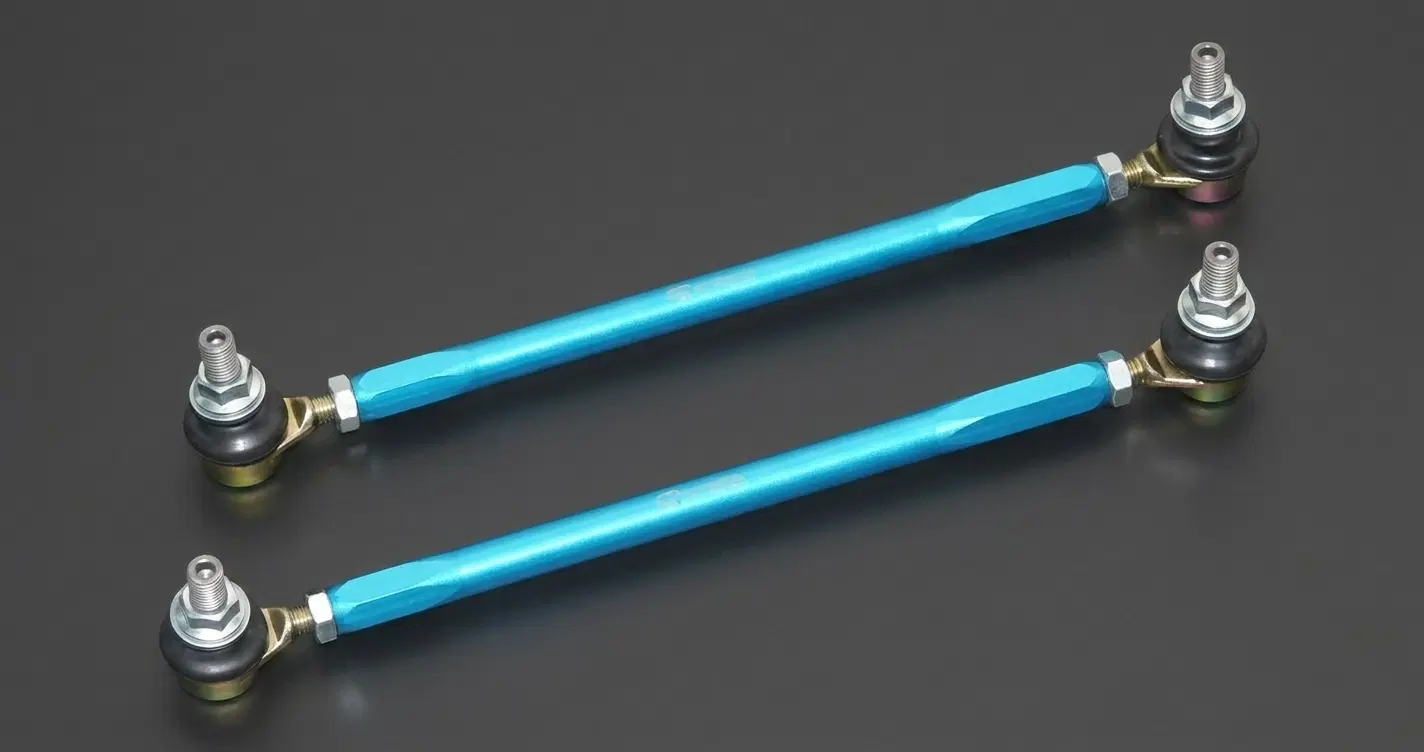
Does your car feel like it's leaning or swaying more than it should through corners? Before blaming your tires or shock absorbers, check your stabilizer links — they're one of the most overlooked components in the suspension system, and one of the most impactful when upgraded.
What Is a Stabilizer Link?
A stabilizer link, also known as a sway bar end link, is the connecting rod between your sway bar (anti-roll bar) and your suspension arms. Its job is simple but critical: to transfer force from one side of the suspension to the other, reducing body roll when cornering.
Without functioning stabilizer links, your sway bar can't do its job effectively. The car body leans excessively in corners, tires lose contact with the road, and the overall handling feels vague and unpredictable.
Signs Your Stabilizer Links Need Attention
Stabilizer links are wear items — they don't last forever, and degraded links are surprisingly common even on relatively new vehicles. Here's what to watch for:
- A knocking or rattling noise from the front or rear suspension, especially over bumps
- Excessive body roll during cornering, even at moderate speeds
- Uneven tire wear caused by inconsistent wheel contact
- A loose or disconnected feeling in the steering through turns
If you notice any of these symptoms, your stabilizer links may be worn, cracked, or completely failed. Driving with bad links not only hurts performance — it also puts additional stress on your sway bar and control arms.
OEM vs. Upgraded Stabilizer Links: What's the Difference?
Factory stabilizer links are designed to balance ride comfort and durability for everyday use. They typically use rubber bushings that absorb vibration well but degrade over time and introduce flex under hard cornering.
Performance stabilizer links use pillow-ball (spherical) joints instead of rubber bushings. This eliminates the flex and slop that rubber introduces, creating a more direct and immediate response from the sway bar. The result is noticeably reduced body roll and sharper cornering behavior.
Here's a quick comparison:
OEM Rubber Bushing Links
- Softer, quieter ride
- Absorbs minor road vibrations
- Degrades with heat and age
- Limited precision under cornering loads
Performance Pillow-Ball Links
- Immediate, direct sway bar response
- Significantly reduced body roll
- More durable under repeated stress
- Slightly more road noise — a trade-off worth making for performance driving
How to Choose the Right Stabilizer Links
Before purchasing, consider how you use your car.
For daily driving with occasional spirited corners, a high-quality OEM-replacement link with reinforced bushings offers improved durability without sacrificing comfort. This is a smart upgrade if your factory links are worn and you want reliability without going full performance.
For weekend driving, track days, or any situation where handling precision matters, pillow-ball stabilizer links are the clear choice. The reduction in body roll is immediately noticeable and makes a real difference in driver confidence through fast corners.
Always verify fitment for your specific vehicle. Stabilizer link length and joint angle vary significantly between makes and models — using the wrong link can cause binding, noise, or premature wear.
Don't Upgrade Links Without Checking the Whole System
Stabilizer links work as part of a larger system. Upgrading your links while running a worn sway bar, degraded control arm bushings, or old shock absorbers limits how much improvement you'll actually feel.
For the best results, inspect the entire suspension system before and after any upgrade. Address worn components first, then layer in performance parts. This approach gives you a cleaner baseline and ensures each upgrade delivers its full benefit.
Conclusion: A Small Part With a Big Impact
Stabilizer links are small, relatively affordable, and easy to overlook — but they play a significant role in how your car handles. Whether you're replacing worn factory links or stepping up to a performance set, the improvement in cornering stability is one of the most noticeable upgrades you can make to your chassis.
If your car feels unstable through corners, start here. It might be the only fix you need.
Looking for High-Performance Suspension Parts?
Explore our full range of professional automotive solutions on our official online store.
Shop Fotado Parts